Abu Dhabi research
Abu Dhabi Freehold Zones Explained
Freehold ownership in Abu Dhabi is geographically restricted to designated investment zones managed by the Abu Dhabi Department of Municipalities and Transport.
Abu Dhabi research desk. Published 2026-03-15, updated 2026-09-15. 9 minute read.
The Legal Framework of Ownership
Real estate ownership in Abu Dhabi for non-GCC nationals is defined by specific legislative frameworks managed by the Department of Municipalities and Transport. Foreign nationals are permitted to own property on a freehold basis only within designated investment zones, while outside these areas, foreign ownership is typically structured through long-term leasehold agreements.
The shift toward the freehold model began in earnest to open the market to international capital and encourage long-term residency. This policy has successfully transformed vast tracts of land into thriving residential communities. Understanding the legal difference between freehold and leasehold is paramount for any investor, as freehold grants full title and land ownership, whereas leasehold provides a usage right for a set period, commonly 99 years.
Before initiating any property acquisition, investors must confirm the tenure status. All official sales documents from approved developers explicitly state the tenure type of the unit being sold. It is recommended that buyers verify this documentation with independent legal counsel to ensure that the title deed will be issued in the investor's name without restriction.
Geographic Distribution of Zones
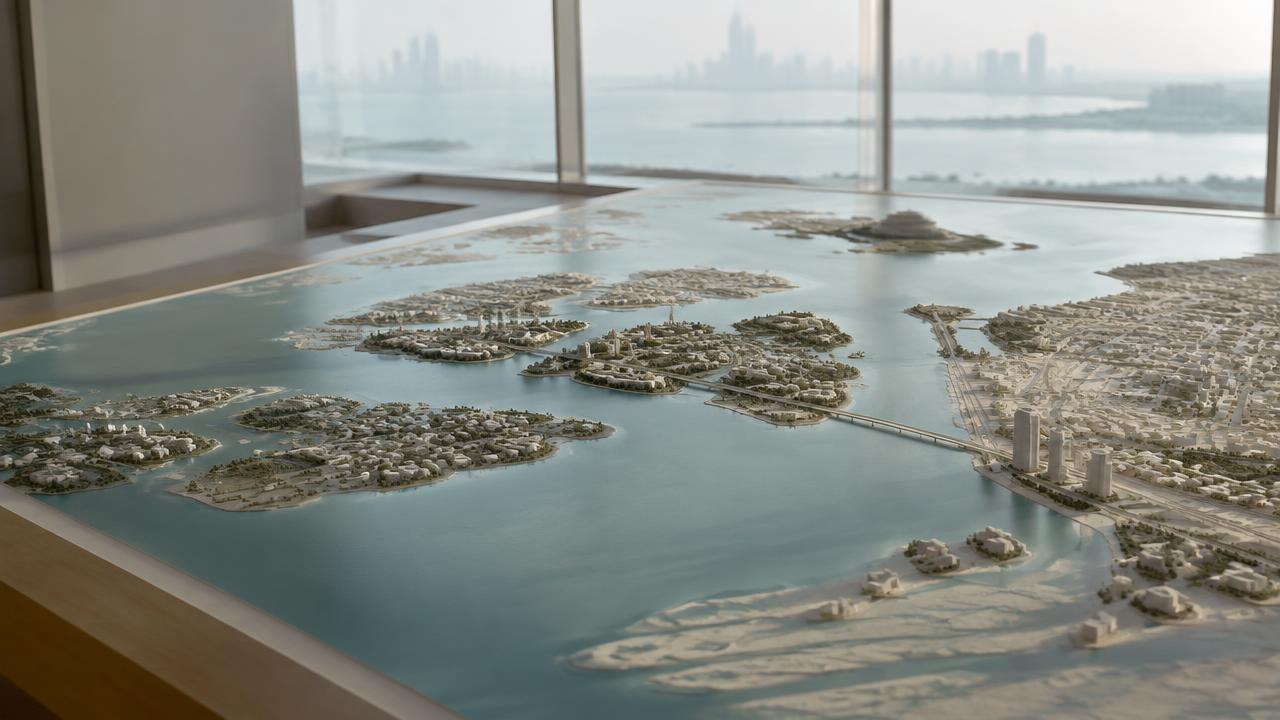
The freehold zones are concentrated in specific, high-prestige areas of the emirate. These include key island destinations such as Saadiyat Island, Yas Island, and Fahid Island. Each of these zones has been meticulously planned to offer a unique residential experience, ranging from cultural and leisure-focused hubs to private beachfront communities.
Al Reem Island and Al Maryah Island are other primary freehold hotspots, benefiting from their central location near the city’s business hubs, including the Abu Dhabi Global Market. Other freehold communities like Masdar City, Al Ghadeer, and Bloom Living cater to different demographics, including corporate professionals, students, and family-oriented buyers, ensuring a diversified market of freehold opportunities.
The Department of Municipalities and Transport oversees the registration of all these properties. Land registries are digitized, and title deeds serve as the ultimate proof of ownership. For foreign investors, this creates a transparent, regulated environment that rivals other global financial centers.
The freehold zones are concentrated in specific, high-prestige areas of the emirate.
Verification and Due Diligence
Comprehensive due diligence is the best way to mitigate risk. Buyers should always ask for the developer’s master registration number for the project and ensure it is officially recognized as a freehold investment zone. This information can be verified through the official DMT portals.
It is also critical to review the Sales and Purchase Agreement (SPA). This document, which forms the legal basis of the transaction, will detail the exact rights of the owner. If there is any ambiguity about freehold status, buyers should delay the transaction until formal confirmation is received from the land department.
Professional real estate advisors in Abu Dhabi are well-versed in these regulatory frameworks and can provide the necessary guidance to navigate the registration process. Ensuring that all paperwork is correctly submitted to the municipal land registry is the final, essential step in securing a legal freehold title deed.
See these addresses in person with an Abu Dhabi specialist.
Book a private viewingInvestment Rationale
Investment zones are chosen by the government for their infrastructure potential, natural assets, and commercial connectivity. By limiting freehold ownership to these zones, the government ensures that development is concentrated in areas that can support long-term urban growth and high standards of living.
For investors, this means that every freehold community has a clear strategic value. Whether it is the tourism-driven demand of Yas Island, the business-driven demand of Al Maryah Island, or the affordability-driven demand of Al Ghadeer, the zones are designed to remain relevant and valuable. This strategic planning provides investors with confidence in the long-term capital appreciation of their assets.
The concentration of development in these zones also creates a cohesive living environment. Developers like Aldar Properties are responsible for maintaining public spaces, landscaping, and community amenities, which further sustains the attractiveness of these areas to both renters and subsequent buyers.
Future Expansion of Freehold Markets
As Abu Dhabi continues to grow, it is likely that more districts will be converted into, or launched as, freehold investment zones. New masterplans, such as the residential expansion on Hudayriyat Island, continue to follow this model to ensure maximum appeal to global buyers.
Investors should keep a close watch on government announcements regarding new investment zones. These early entries often present the most significant capital gains potential. The ability to buy into an emerging freehold district as it moves from the planning stage to construction is a core investment strategy used by many of the most successful participants in the market.
The ongoing development of the emirate's infrastructure, such as improved bridges, road networks, and metro links, will further integrate these freehold zones with each other and with the rest of the city, making each zone even more valuable over the next decade.
Navigating Tenure Complexities
While most new projects are freehold, existing communities occasionally have complex mixes of tenure. Investors should not assume that because one community is freehold, the adjacent neighborhood has the same status. Checking the land registry records is the only foolproof method to guarantee status.
The legal system in Abu Dhabi is highly protective of property rights, and the freehold model is designed to provide secure, long-term ownership for both residents and international investors. Understanding these nuances is essential to managing a property portfolio with confidence.
Where to look next
Frequently asked
- Can non-residents buy freehold property in Abu Dhabi?
- Yes, non-residents can purchase freehold property in designated investment zones without a residency visa.
- What is the difference between freehold and leasehold?
- Freehold grants permanent ownership of the land and structure, while leasehold grants the right to use the property for a fixed duration, typically 99 years.
- Where can I find the official list of investment zones?
- The official list of designated investment zones is maintained by the Abu Dhabi Department of Municipalities and Transport.
- Do all Aldar developments carry freehold status?
- Most new Aldar masterplans are freehold, but it is essential to check the specific project documentation for each launch.
- What is a title deed?
- A title deed is the official legal document that proves ownership of a property, issued by the municipal land registry.
Ready to look properly? We will line up the right launches and walk them with you.
Speak to an Abu Dhabi specialistMore from our Abu Dhabi desk
9 minute read
Golden Visa Property Threshold
9 minute read
Saadiyat Cultural District Values
9 minute read
Fahid Island Guide

9 minute read